
The recent spike in gasoline and diesel prices following conflict in the Middle East is a reminder that global oil markets are still a key pressure point in the world economy. When supply is disrupted or weaponized, consumers feel it immediately at the pump and in higher transport and goods costs.
Electrification is fast becoming one of the most practical ways to protect households, businesses, and investors from the economic shocks that come with fossil fuel dependence. That shift has direct implications for how clients can both reduce personal and financial risk as well as capture opportunity through sustainable investing.
From Oil Shocks to Energy Security The Rise of Electric Independence
Ember Energy’s recent analysis of energy security emphasizes the fragility inherent to the structure of fossil fuel markets, which rely on concentrated reserves, complex supply chains, and often volatile geopolitical relationships.
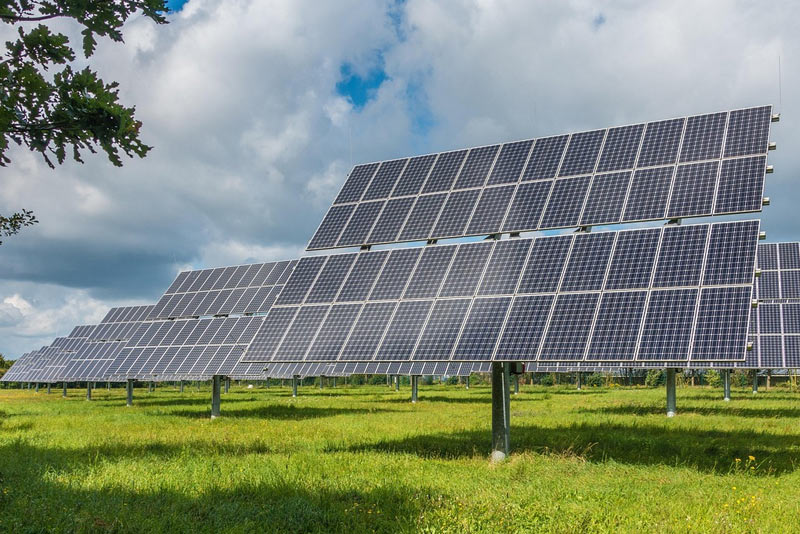
By contrast, solar, wind, and storage are built on domestic infrastructure and free “fuel” from the sun and the wind, making them far less vulnerable to sudden price spikes.
Globally, a growing majority of new net electricity generation over the last few years has come from solar, wind, and other low-carbon sources, with far less of the growth driven by new coal or gas capacity. In the U.S. and abroad, renewables now account for a large share of incremental power added to the grid, and that growth is accelerating as costs keep falling. This Electrotech Revolution marks an era where technology allows for electricity to emerge as the dominant energy carrier across sectors.
Ember frames this as a shift from “fossil fuel fragility” toward “electric independence”: the idea that countries can increasingly power vehicles, homes, and industry with domestically produced, renewable electricity. That transition is visible in everything from surging EV sales to utility-scale solar and storage projects reshaping grid planning. The same dynamic that PBS Horizon’s William Brangham’s guests describe in his recent piece on the oil price surge—exponential growth in clean power—underpins a new kind of energy security narrative.
Economics, Not Just Ethics
One of the most important messages from both the Ember research and the PBS conversation is that clean energy is no longer a sacrifice—it’s often the most cost-competitive option for new power. In many regions, utility-scale solar and onshore wind now undercut new fossil generation, and battery storage increasingly provides flexible capacity without fuel risk.
As Jigar Shah notes in the interview, the load growth from data centers, EVs, heat pumps, and new manufacturing is largely being met by clean generation because that is where the economics are strongest. This aligns with our research at EGÉA SRI: companies that deploy energy-efficient technologies, electrify their operations, and integrate renewables are often lowering operating costs and improving resilience at the same time. For investors, that can translate into more durable margins and a competitive edge in a carbon-constrained world.
Jobs, Manufacturing, and the Real Economy
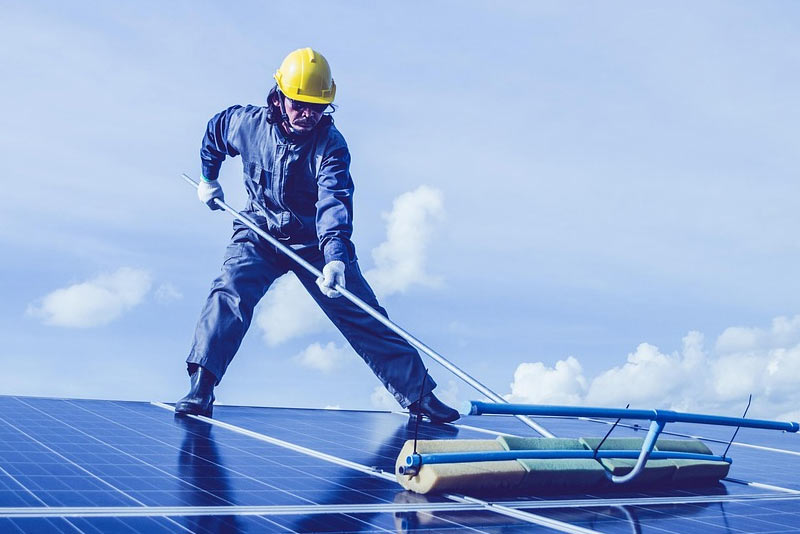
Energy independence is not only about electrons; it is also about where the hardware is made and who benefits from the build-out. The transcript highlights a wave of new U.S. manufacturing facilities: solar panel plants in Texas and Georgia, glass and wafer production, and the growth of EV manufacturers like Rivian creating “life-altering jobs.”
This industrial renaissance dovetails with the trends we have been tracking at EGÉA SRI: green energy jobs are growing rapidly, and clean-tech supply chains are re-localizing in response to policy, cost declines, and investor demand. For sustainable investors, that means opportunities across multiple segments, including renewable developers, grid and storage companies, advanced materials, and domestic manufacturers that anchor local economies while contributing to decarbonization.
Why This Matters for Sustainable Investors
For EGÉA SRI clients, the move from fossil fragility to electric independence reinforces three key portfolio themes:
- Risk mitigation: Companies heavily exposed to volatile fossil fuel inputs face greater margin pressure when prices spike. Firms that have electrified processes or locked in long-term renewable power purchase agreements are less vulnerable to geopolitical shocks.
- Structural growth: Sectors enabling electrification—renewables, transmission, storage, EVs, and efficiency technologies—are benefiting from sustained policy support and strong demand in many major markets, not just short-term stimulus.
- Alignment with values: Electrifying everything and scaling renewables are central to limiting climate risk and protecting the “pale blue dot” that Carl Sagan described, a point Brangham echoes in highlighting the fragility of our home planet. Sustainable portfolios can therefore pursue attractive returns while helping accelerate a more secure, low-carbon energy system.
At EGÉA SRI, our focus is to build ESG-aligned portfolios that recognize these long-term shifts. We help our clients invest in clean technologies, which in turn helps make affordable, resilient energy the norm rather than the exception. To learn how ESG-focused investing can contribute to both resilience and returns in your portfolio, contact us today for a free consultation!
This information is subject to change at any time, based on market and other conditions and should not be construed as a recommendation of any specific security or investment plan. Past performance does not guarantee future results. All investments involve the risk of potential investment losses, and no strategy can assure a profit. There is no guarantee that a company with a strong ESG score or one that focuses on sustainable investing will outperform a company with a lower score or without that focus in any given market environment.