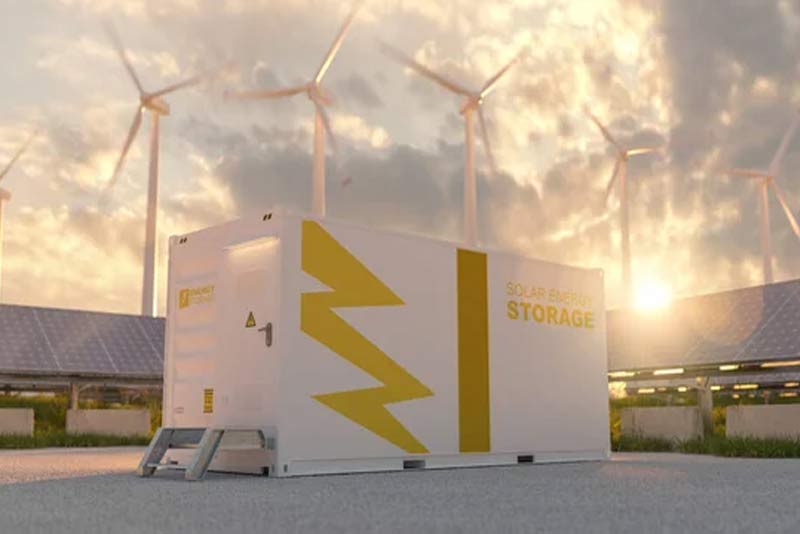
The global energy landscape is undergoing a profound transformation, driven by an urgent need to decarbonize and secure a sustainable future.
At the heart of this shift lies energy storage, the critical enabler for intermittent renewable energy sources like solar and wind. While lithium-ion batteries have long been the dominant player, their inherent limitations—including reliance on critical minerals, volatile supply chains, and rising costs—are spurring innovation. Emerging from this necessity is the sodium-ion battery, a technology poised to revolutionize energy storage and accelerate the adoption of renewable energy.The Urgent Need for Sustainable Energy Storage Solutions in the Energy Transition
The global energy transition hinges on the widespread adoption of renewable energy sources. While advancements in solar and wind power generation have been remarkable, their inherent intermittency presents a significant challenge for grid stability. Without effective energy storage, excess electricity generated during peak production periods can be lost and demand during low production times cannot be met.
There exists immense market opportunity for solutions that can reliably store and dispatch clean power. The current global renewable energy growth, primarily driven by the power sector, saw capacity expand by 741 gigawatts (GW) in 2024, the largest annual increase ever recorded. Such exponential growth in renewables necessitates a parallel leap in storage capabilities. The global sodium ion battery market was valued at over $270 million in 2024 and is set to grow at a CAGR of 26.1% from 2025 to 2034.
The Challenges with Lithium-Ion Technology: Cost, Critical Minerals, and Supply Chain Volatility
The dominance of lithium-ion batteries has been a cornerstone of the portable electronics and electric vehicle revolution. However, as demand for energy storage escalates, the limitations of lithium-ion technology are becoming increasingly apparent, creating a fertile ground for innovation in alternative chemistries.
The primary challenges plaguing lithium-ion batteries stem from the scarcity and geopolitical concentration of key materials. Lithium, cobalt, and nickel, essential components in many lithium-ion battery chemistries, are subject to price volatility and supply chain disruptions. Extraction processes can be environmentally intensive, and the geographical concentration of these resources raises concerns about long-term availability and ethical sourcing. Furthermore, the flammable liquid electrolytes commonly used in lithium-ion batteries present a safety concern, with the potential for thermal runaway.

Sodium-Ion Batteries: A Game-Changing Alternative to Lithium-Ion Technology
Sodium-ion batteries represent a paradigm shift in energy storage technology. Unlike their lithium-ion counterparts, these batteries use sodium ions as their charge carriers. This seemingly simple substitution unlocks a cascade of benefits, most notably the unparalleled abundance and low cost of sodium, which is readily available from common sources like seawater and rock salt.
If it were that easy, though, we would all be using sodium-ion batteries. The main drawbacks of this technology are their persistent safety and performance issues. However, breakthroughs in materials science and engineering are continuously pushing the boundaries of performance, making sodium-ion batteries increasingly competitive. Recent research in the material sciences to make the batteries more reliable as well as improvements in battery performance are helping make sodium-ion batteries more viable as an alternative energy storage solution.
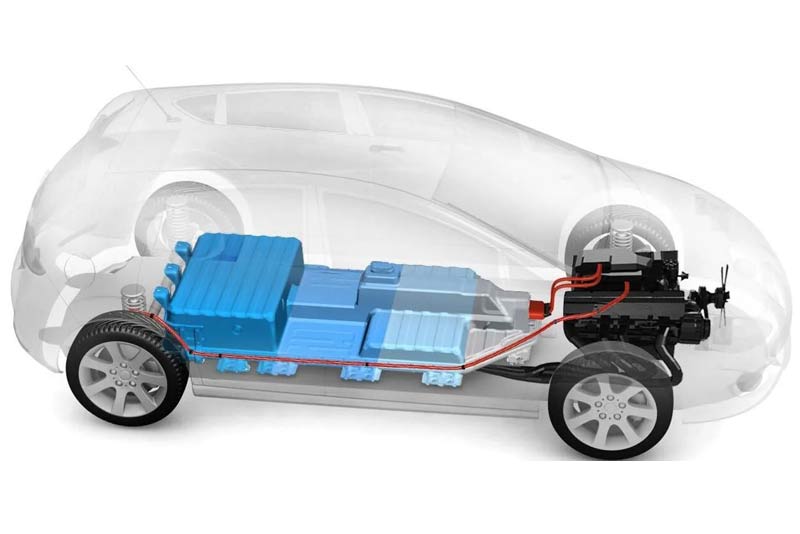
Keeping an Eye on the Future
Sodium-ion batteries are more than just an alternative to lithium-ion; they represent a fundamental shift towards more sustainable, cost-effective, and secure energy storage. Their abundance, enhanced safety, and reduced reliance on critical minerals directly align with the growing demand for environmentally responsible solutions. This makes them a powerful tool for accelerating the Electrotech Revolution by enabling greater deployment of solar and wind power and bolstering the resilience of our energy grids.
For investors with interests in new emerging green technologies, this is an alternative to keep an eye on. At EGÉA SRI, we keep new technologies and emerging companies on our radar to try and get ahead of the curve and ahead of the financial gains for our clients. Contact us today for a free consultation to discuss how your portfolio can benefit from the clean energy transition!
This information is subject to change at any time, based on market and other conditions and should not be construed as a recommendation of any specific security or investment plan. Past performance does not guarantee future results. All investments involve the risk of potential investment losses, and no strategy can assure a profit. There is no guarantee that a company with a strong ESG score or one that focuses on sustainable investing will outperform a company with a lower score or without that focus in any given market environment.