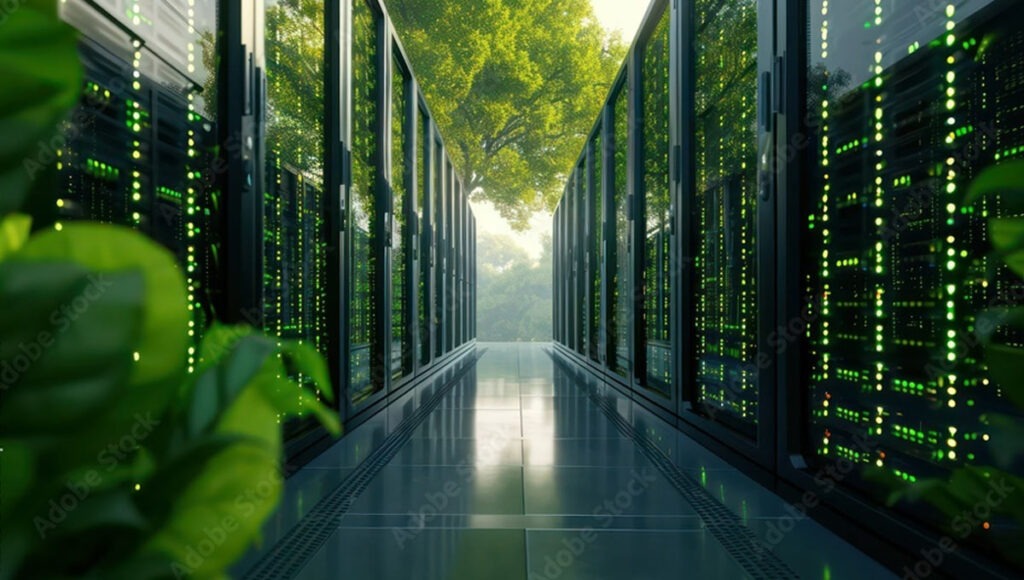
The rapid expansion of artificial intelligence (AI) is fundamentally reshaping our world. For many, the rise of new data centers is synonymous with immense pressure on local infrastructure: massive power consumption, heavy water usage, and the disruption of local environments.
The prevailing narrative is that these centers are parasitic grid drains — but how much truth is in that? Can data centers be built sustainably and become catalysts for local renewable energy and community resilience?
Environmental Impacts of AI Data Centers
The core environmental issue from the expansion of AI data centers facing many communities is a sudden, massive increase in electricity demand. AI requires high-density computing, which forces data centers to seek reliable, large-scale power access. This demand often exceeds the existing capacity of local grids, leading to legitimate fears among residents that their own energy prices will rise or that grid stability will falter.
Beyond energy, there are concerns regarding air quality from emergency backup generators, water consumption for cooling, and low-frequency noise pollution from servers, cooling systems, and generators.
Residents are right to question the impact of these industrial installations on their local environment, especially when data centers are built in communities with a lack of transparency and no one properly evaluates these environmental costs.
Data Centers as Sustainable Catalysts
As AI rapidly changes our way of life and technology accelerates, the need for more data centers grows. However, there is hope that data centers can be integrated into communities sustainably.
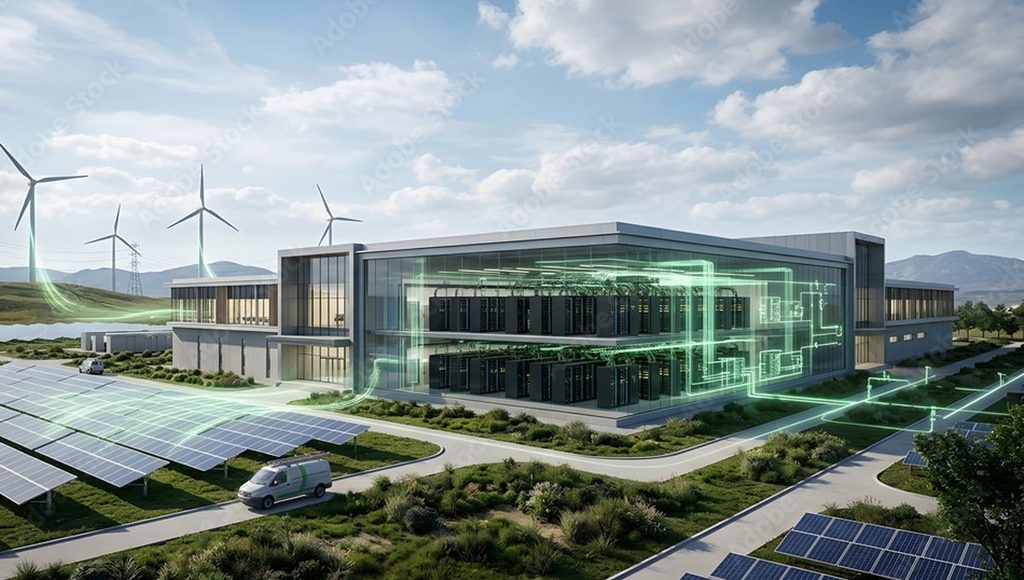
Data centers are among the largest corporate buyers of renewable energy. By entering into long-term Power Purchase Agreements (PPAs), these companies provide the financial security needed to bring new wind and solar projects online. When these projects are located in or near the host community, they provide a direct pathway for local renewable energy growth, helping underwrite the development of green infrastructure that the city might not finance alone.
A data center does not need to run at maximum capacity 24/7. By implementing advanced energy flexibility and load-shifting capabilities, these facilities can become shock absorbers for the grid. During times of peak demand, a data center can temporarily reduce its grid load or transition to battery-stored energy, especially as battery technology improves. This active management can help stabilize the regional grid, preventing the brownouts that often worry local residents.
Modern facilities are also increasingly looking at “behind-the-meter” power, such as on-site solar arrays or microgrids. By generating and storing power directly at the site, a data center can reduce its dependence on the municipal grid. During emergency scenarios, these microgrids can be reconfigured to provide backup power to critical local services, such as hospitals or emergency shelters, effectively serving as an insurance policy for the community.
The entry of a major data center necessitates a massive upgrade to the local grid. If negotiated properly, these upgrades — which can include more efficient transformers, higher-capacity lines, and modern grid management software — become a permanent legacy for the city. The data center pays the “entry fee” for modernizing infrastructure, providing a long-term benefit to all local businesses and people.
Protecting Community Rights and Building Economic Resilience
Communities deserve a seat at the table. Incorporating community-led environmental reviews and “green amendments” into the development process ensures that the voice of the people is heard before data centers secure any contracts. Legal frameworks that prioritize public transparency and environmental protection are the strongest tools a city has to ensure long-term accountability.
A data center project should never be a mystery or a surprise. Continuous, open-forum public meetings are essential for maintaining trust. Modern data center developers must view themselves as long-term stakeholders in the community and continue to seek feedback well after construction.
Data Centers Done Right
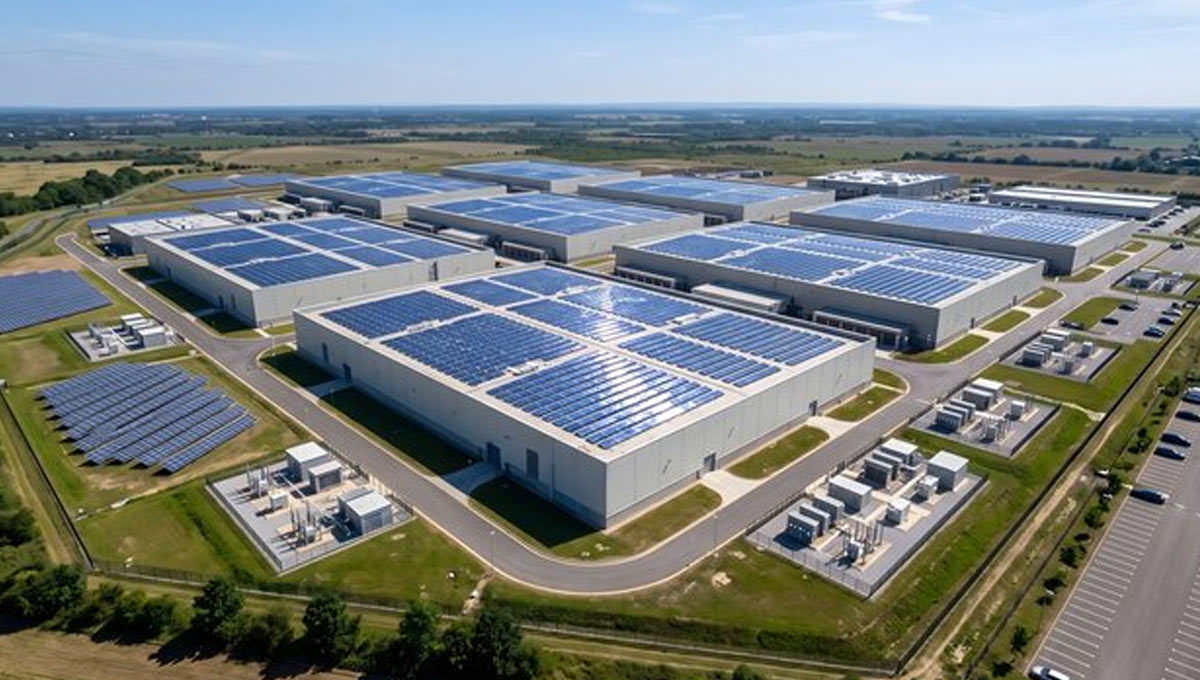
By involving communities in the important decision about whether or not to host a data center, and also by viewing data centers as dynamic assets for grid modernization, circular resource management, and economic development, cities can turn potential friction into a powerful driver of local resilience.
The path forward requires a playbook grounded in rigorous transparency and a shift towards genuine partnership with communities. When companies prioritize the host community, and when local officials demand and enforce high sustainability standards, data centers can become far more than warehouses for servers.
As we continue to integrate AI into every facet of our lives, the data centers that house this intelligence can become pillars for a more modern, efficient, and resilient municipal infrastructure, demonstrating that technological progress and local prosperity are intrinsically linked. The future of AI is digital, but its impact will always be physical.
At EGÉA SRI, we keep up with emerging sustainability news and technology and stay ahead of the curve. Contact us today for a free consultation to discuss how your portfolio can benefit!
This information is subject to change at any time, based on market and other conditions and should not be construed as a recommendation of any specific security or investment plan. Past performance does not guarantee future results. All investments involve the risk of potential investment losses, and no strategy can assure a profit. There is no guarantee that a company with a strong ESG score or one that focuses on sustainable investing will outperform a company with a lower score or without that focus in any given market environment.